

Visit our Social pages :



Every day in the disability community, families, Direct Support Professionals (DSPs), programs, and agencies are working incredibly hard — but rarely together, and almost never through systems built specifically for them.
We rely on group texts, paper notes, forgotten conversations, outdated portals, and scattered communication that leaves everyone trying to piece things together. And as you know better than anyone: when communication breaks down, people fall through the cracks.
Unity CareLink exists because the current system isn’t a system at all. And the families and professionals who show up every day deserve better.
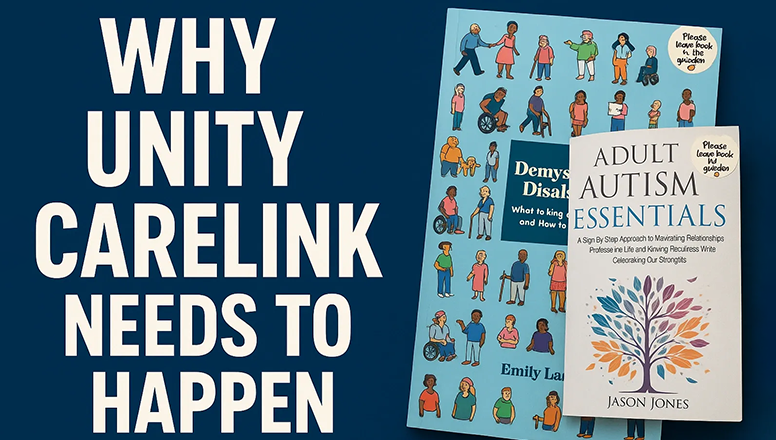
Emily Ladau emphasizes that real progress begins when we build tools that respect disabled people’s autonomy, dignity, and lived experience. Unity CareLink is built on that same truth. This platform doesn’t “speak for” people — it connects the people already doing the work, so every voice is part of the decision-making.
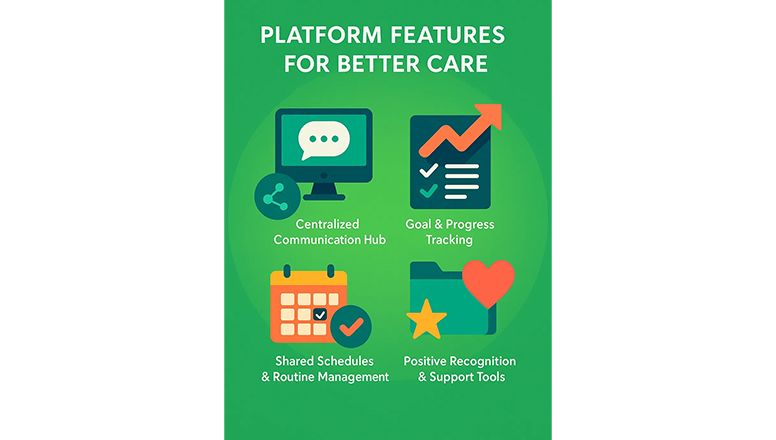
Jason Jones highlights how overwhelming uncertainty can be — not because of disability, but because the world isn’t designed with neurodivergent people in mind. Families and DSPs feel this too. Unity CareLink creates the structure that Jones talks about — one shared place where schedules are synced, notes are logged, and expectations are clear.
Ladau writes that allyship must be active, not passive. UCL embodies this by giving families, DSPs, and agencies the tools to support each other consistently, not just when something goes wrong. Unity CareLink creates the visibility that allyship requires.
Jones points out that autistic adults frequently feel like they’re being asked to adapt to systems that don’t adapt to them. Families and DSPs feel this too — constantly adjusting, compensating, or reinventing the wheel just to stay aligned. Imagine instead a shared platform with one set of expectations.
Because the disability community has carried the burden of broken systems for far too long. Because families deserve less burnout. Because DSPs deserve clarity and respect. Because agencies deserve streamlined communication instead of daily chaos. Because disabled people deserve a support network that’s organized, transparent, and worthy of them.
"Disability inclusion isn’t about charity — it’s about building systems that finally reflect reality." - Emily Ladau
Unity CareLink is that environment. And it needs to exist — not someday, but now.


Sarah Johnson
December 15, 2025This article is so helpful! The practical tips provided are exactly what my family needed to hear right now. Thank you for sharing such valuable insights.